




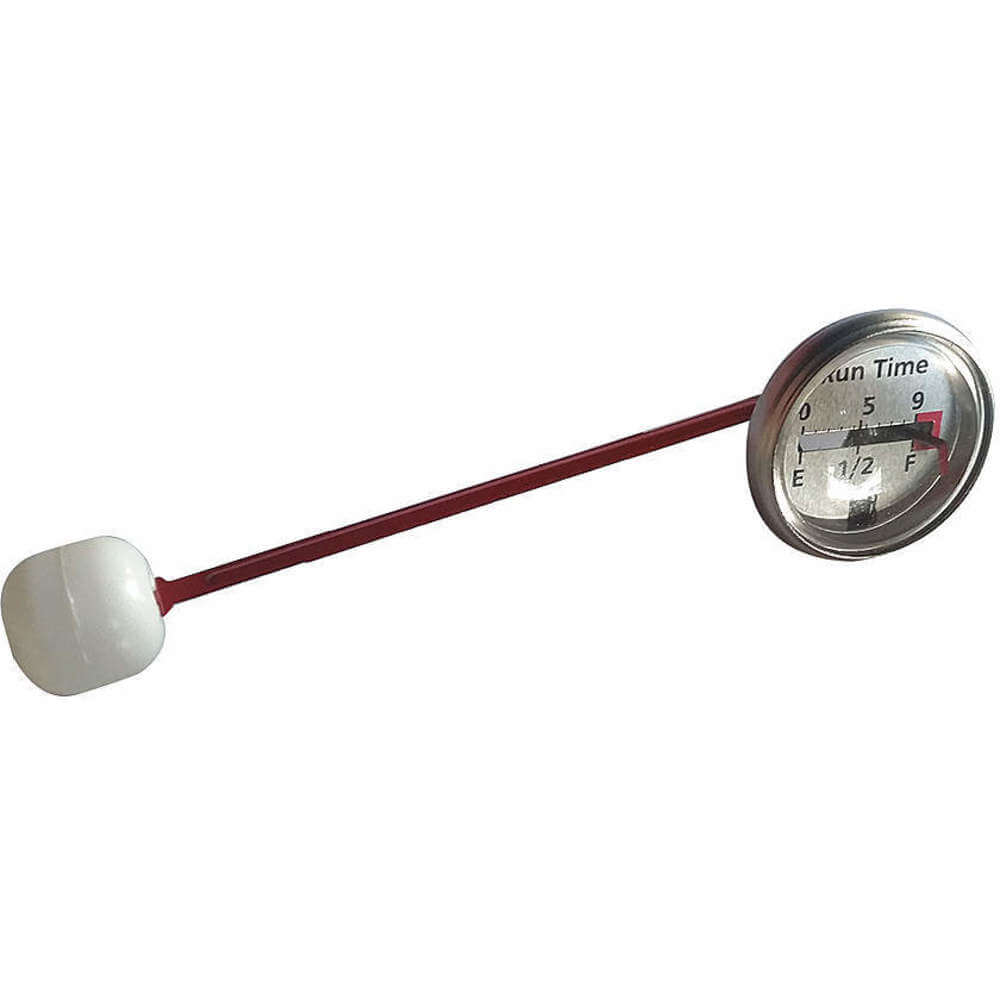
DAYTON HV3VE49001G Fuel Gauge
Ships within 2 days via
Payment
- Specifications
- Product Details
- Shipping Information
- Uses
- Working Mechanism
- Features
- Compatible Accessories
- Standards and Approvals
- Installation
- FAQ′s
- See Variants
Specifications
| Item | Fuel Gauge |
|---|---|
| Fits Brand | Dayton |
| For Use With Grainger Item Number | 3VE49C, 3VE49D, 3VE49E, 3VE49F, 3VE49G |
|---|---|
| For Use With | Grainger Item Number 3VE49C, 3VE49D, 3VE49E, 3VE49F, 3VE49G |
Product Details
Dayton HV3VE49001G fuel gauge provides real-time information about fuel quantities, enabling efficient monitoring and management of fuel resources. This gauge incorporates advanced technology to ensure accurate readings & durable performance, contributing to operational safety and cost-effectiveness. Its compact design and compatibility with different fuel types make it versatile in diverse sectors, including manufacturing, transportation and energy production.
Shipping Information
| height | 3.81 |
|---|---|
| length | 14.22 |
| width | 4.32 |
| country of origin | KR |
|---|---|
| weight | 0.022500 |
Uses
Working Mechanism
- Dayton HV3VE49001G fuel gauge operates based on the principle of hydrostatic pressure.
- It comprises a sensing element connected to the fuel tank and a display unit.
- As the fuel level changes, the hydrostatic pressure on the sensing element varies.
- This pressure change is converted into an electrical signal by the sensor.
- The display unit then interprets this signal and shows the corresponding fuel level on the gauge.
Features
Compatible Accessories
Standards and Approvals
Installation
FAQ′s
Q. What are the different types of fuel gauges?
A.
- Analog gauges
- Digital gauges
Q. What are the factors to be considered while choosing a fuel gauge?
A. Major factors include compatibility, accuracy, installation ease, environmental durability, integration capabilities, power source, maintenance requirements and user interface.
Q. How to maintain this fuel gauge?
A.
- Keep the gauge's display and components clean to maintain clear visibility and accurate readings.
- Ensure secure and corrosion-free electrical connections to prevent signal disruptions and inaccuracies.
- Safeguard the gauge from extreme temperatures and moisture to prolong its operational life.
- Promptly address unusual readings or discrepancies to prevent potential gauge malfunctions.
Related Products
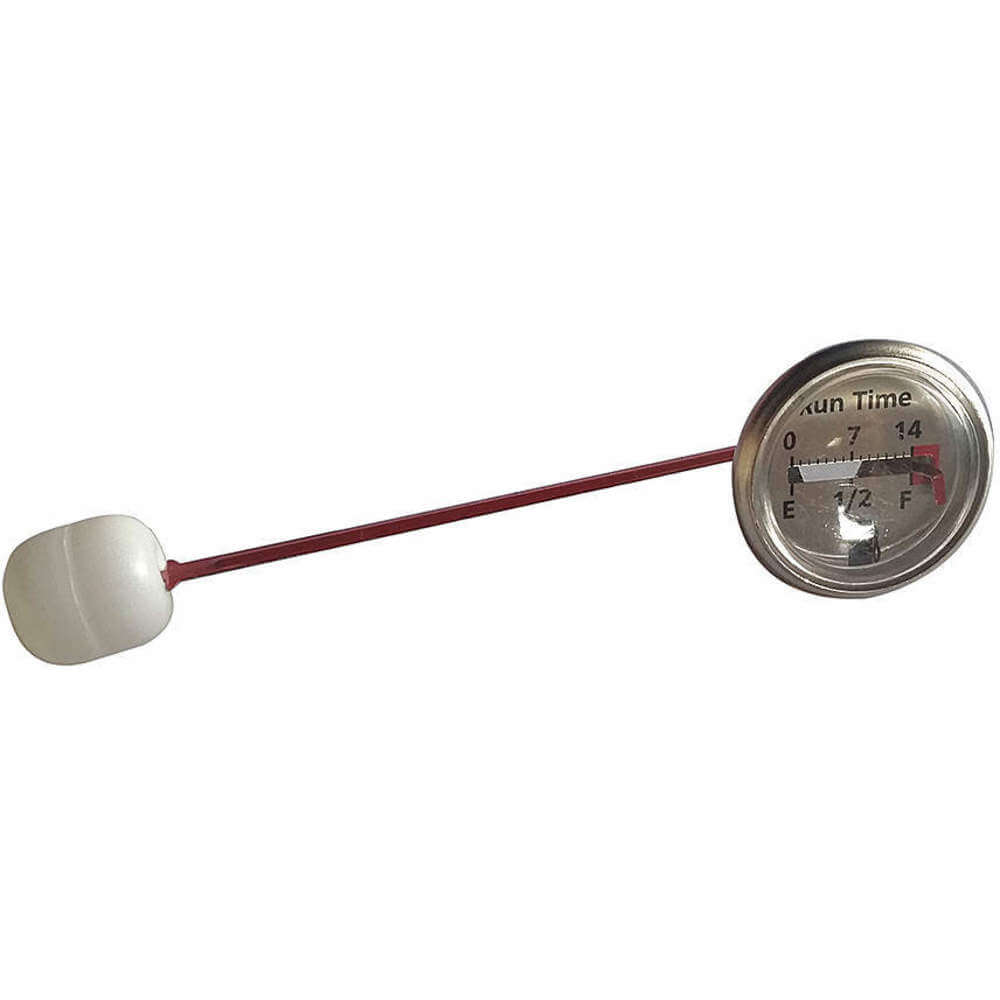
| Style | Model | MPN | Price (ex. VAT) | Cart |
|---|---|---|---|---|
| A | 2156002100 | 2156002100 | 85.08 | |
| B | HV3VE48001G | HV3VE48001G | 12.50 |
Explore Products
- APPROVED VENDOR 2UA31 Tee 1/4 Inch Threaded 316 Stainless Steel
- APPLETON ELECTRIC MLWL702G1GMTE High Pressure Sodium Light Fixture, 70W
- MASTER APPLIANCE HAS-013K Heating Element, 300 Deg. F, 220V
- TB WOODS 8MPCC179221 QT Power Chain II Belt Sprocket, Polyurethane, 21mm Belt Width, 1792mm Pitch Length
- KERN AND SOHN FS 2-1KSP1 Force Measuring Device Set
- BALDOR / DODGE 233948 20X32 Straight Drum XT30 MDX
- EATON DH326FRKLCR Heavy Duty Safety Switch, Single-Throw, 600A, 240V, 3-Pole, Fusible, Cam-Lok Reverse Pin
- DAYTON TPCPA-3 Kit
Explore More
- KEN FORGING
- KEYSHAFT
- STEARNS BRAKES
- SEALMASTER
- STEGO
- Chemical Resistant Gloves
- Scratch Awls
- Flare Nut Wrench Sets
- Non Hazardous and Hazardous Waste Labels
- USB Charger Receptacles
- GOODYEAR ENGINEERED PRODUCTS Water Suction/Discharge Hose
- ACORN Flo-cloz(r) Cartridge
- PENINSULAR Hydraulic Cylinder Rear Clevis Brackets
- NIBCO 707-6-LF Series 90 Deg Union Elbows, S, C x C, Performance Bronze
- AKRO-MILS 30237 Akrobins Plastic Storage Bins
- NORTH BY HONEYWELL NorthFlex Cold Grip General Purpose Gloves
- IRONCLAD Wrenchworx Oil Resistant Gloves
- TEMPCO Screw Plug Immersion Heaters, Copper Element
- GLOBE SCIENTIFIC Label/Dot Combo Rolls, Cryo, Direct Thermal, 33 x 13 mm and 9.5 mm Dots
 Trade pricing is available for
  Order Value should be £500+
 ChatMRO