


Cutting Torch(8 Products)
MILLER-SMITH EQUIPMENT
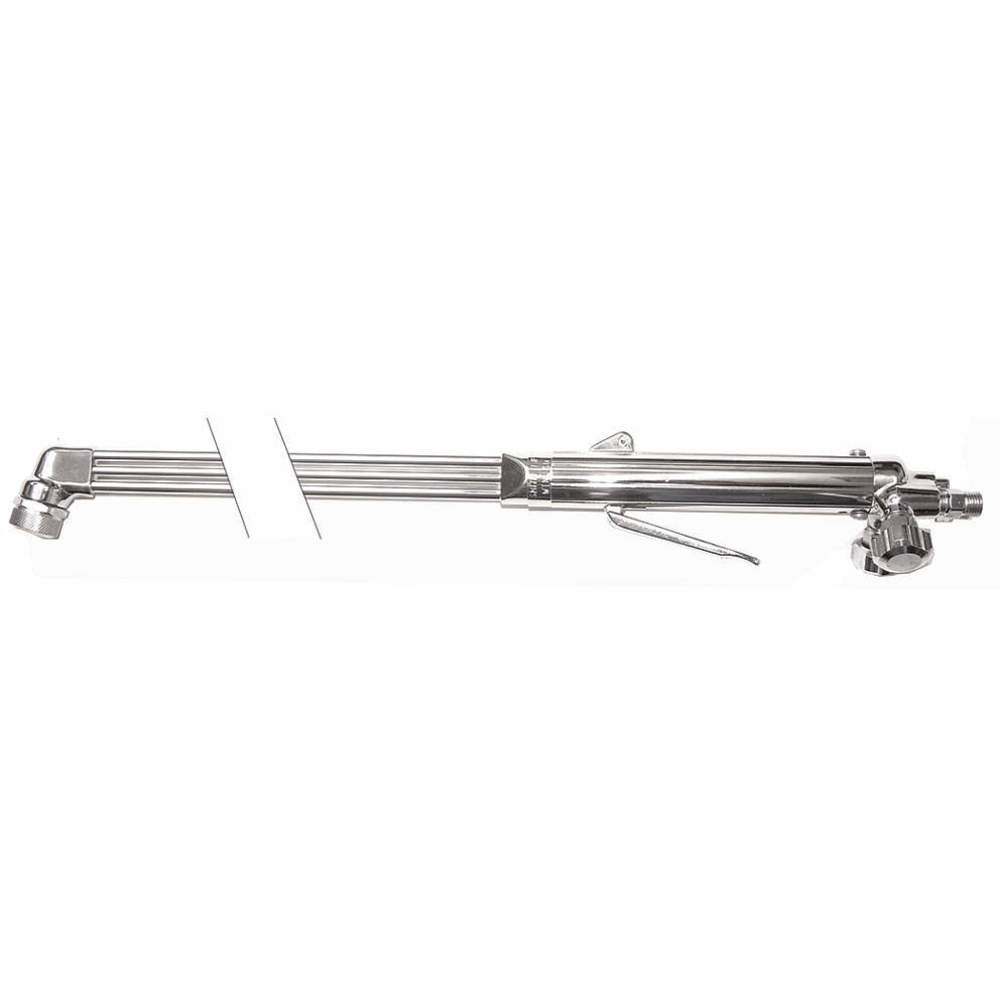
| Head | Cuts Up To | Head Angle | Torch Style | Hose Fitting Size | Gas Service | Inlet Connection Size | Price |
|---|---|---|---|---|---|---|---|
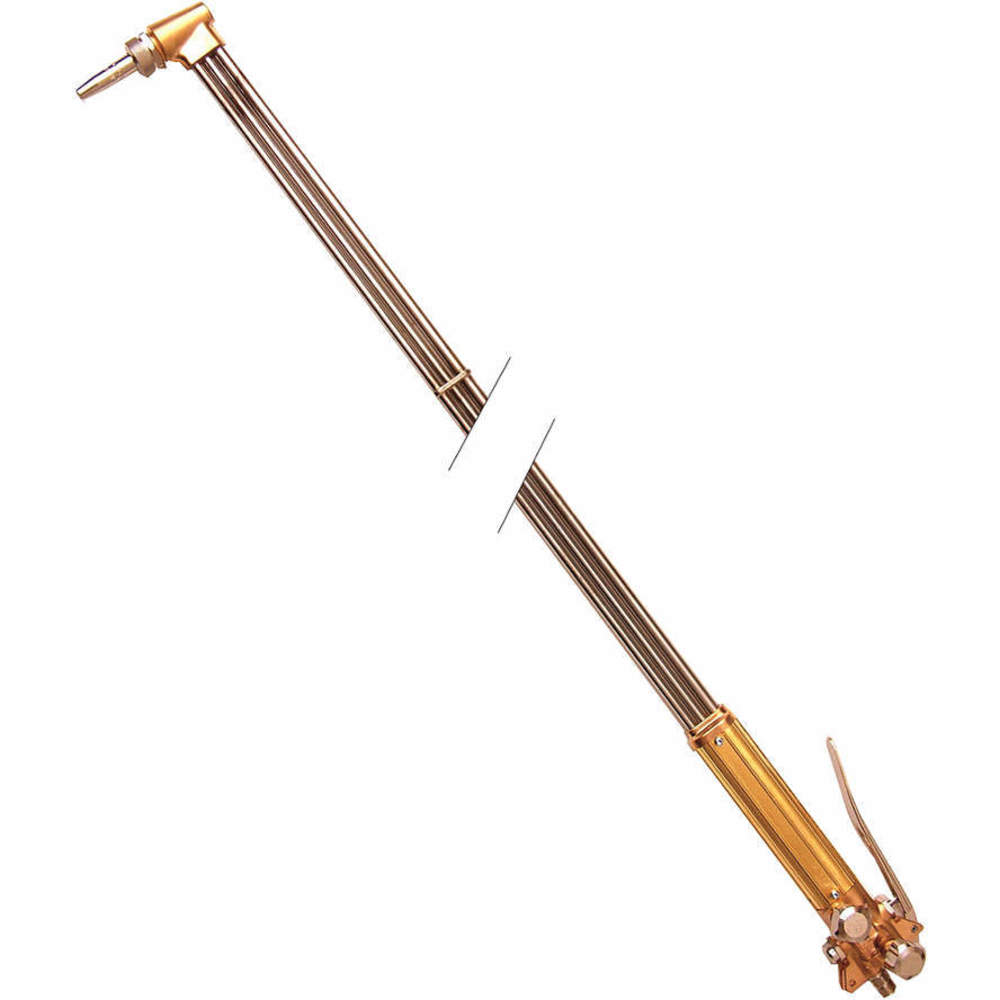
| 75° | 12" | 75° | Smith | B | Any Fuel Gas | 9/16"-18 | £1867.03 |
| 75° | 24" | 75° | Smith | B | Any Fuel Gas | 9/16"-18 | £1929.56 |
| 75° | 24" | 75° | Smith | B | Any Fuel Gas | 9/16"-18 | £2285.52 |
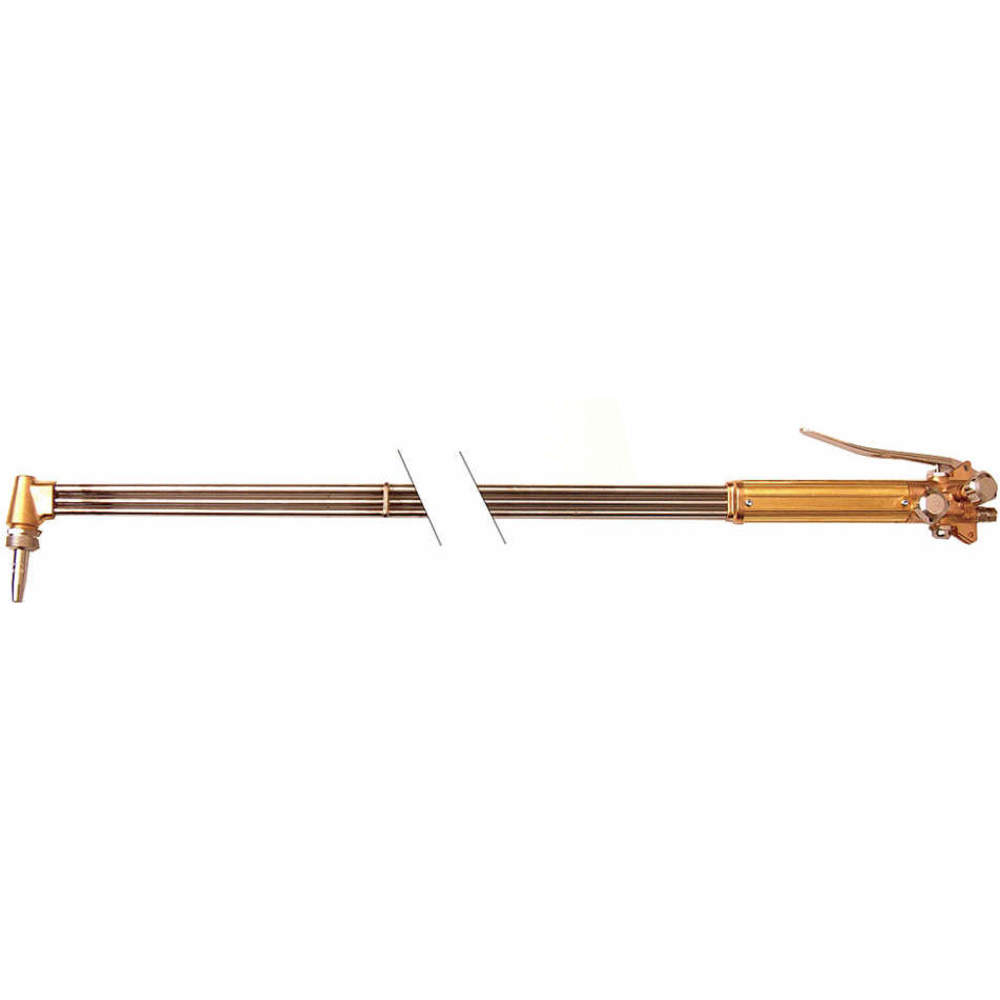
| 90° | 12" | 90° | Smith | B | Any Fuel Gas | 9/16"-18 | £1842.56 |
| 90° | 24" | 90° | Smith | B | Any Fuel Gas | 9/16"-18 | £1912.13 |
| 90° | 24" | 90° | Smith | B | Any Fuel Gas | 9/16"-18 | £1996.53 |
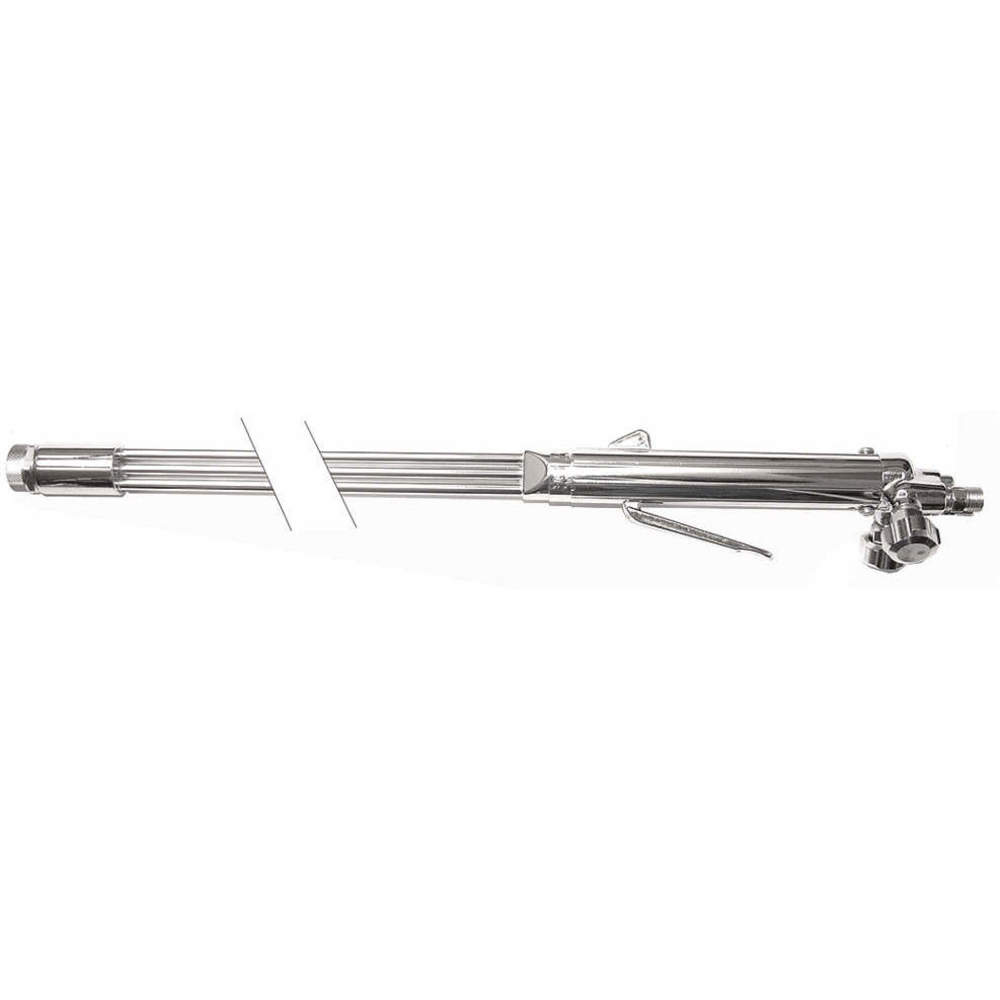
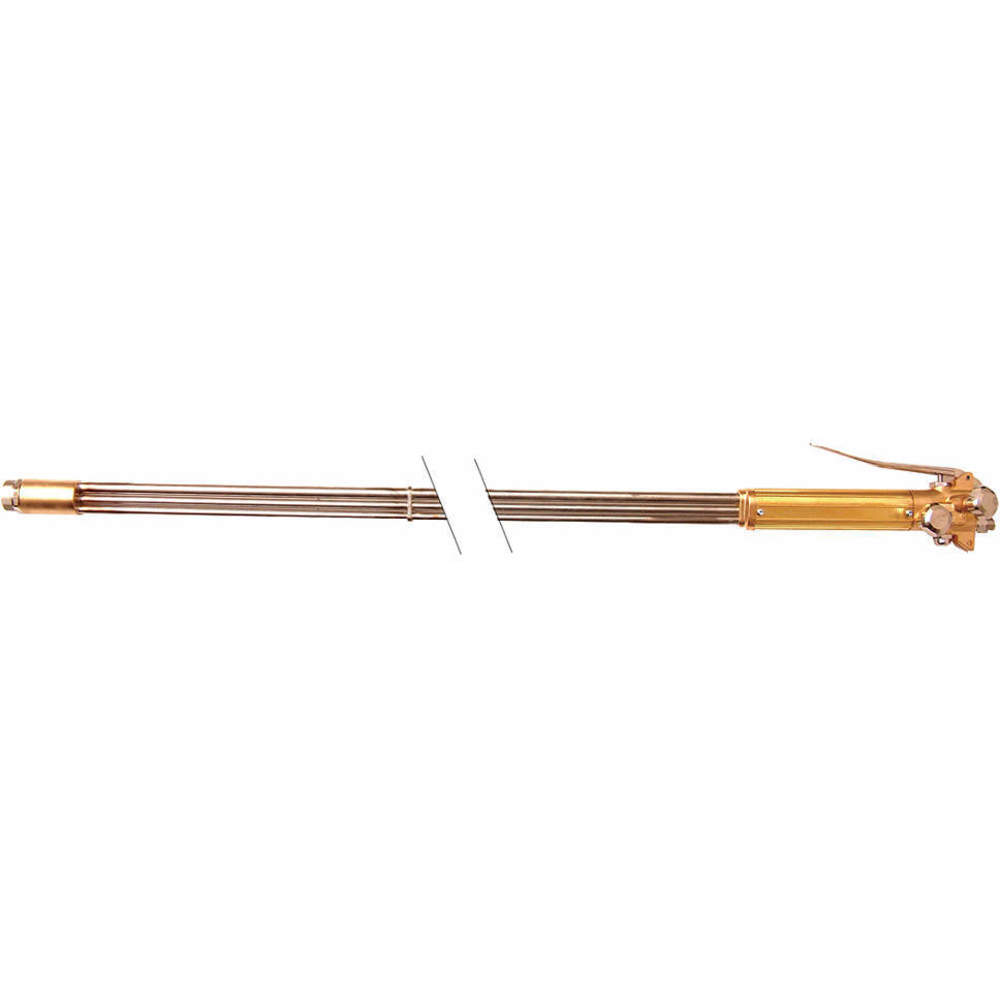
| 180° | 12" | 180° | Smith | B | Any Fuel Gas | 9/16"-18 | £1931.28 |
| 180° | 24" | 180° | Smith | B | Any Fuel Gas | 9/16"-18 | £2003.63 |
Description
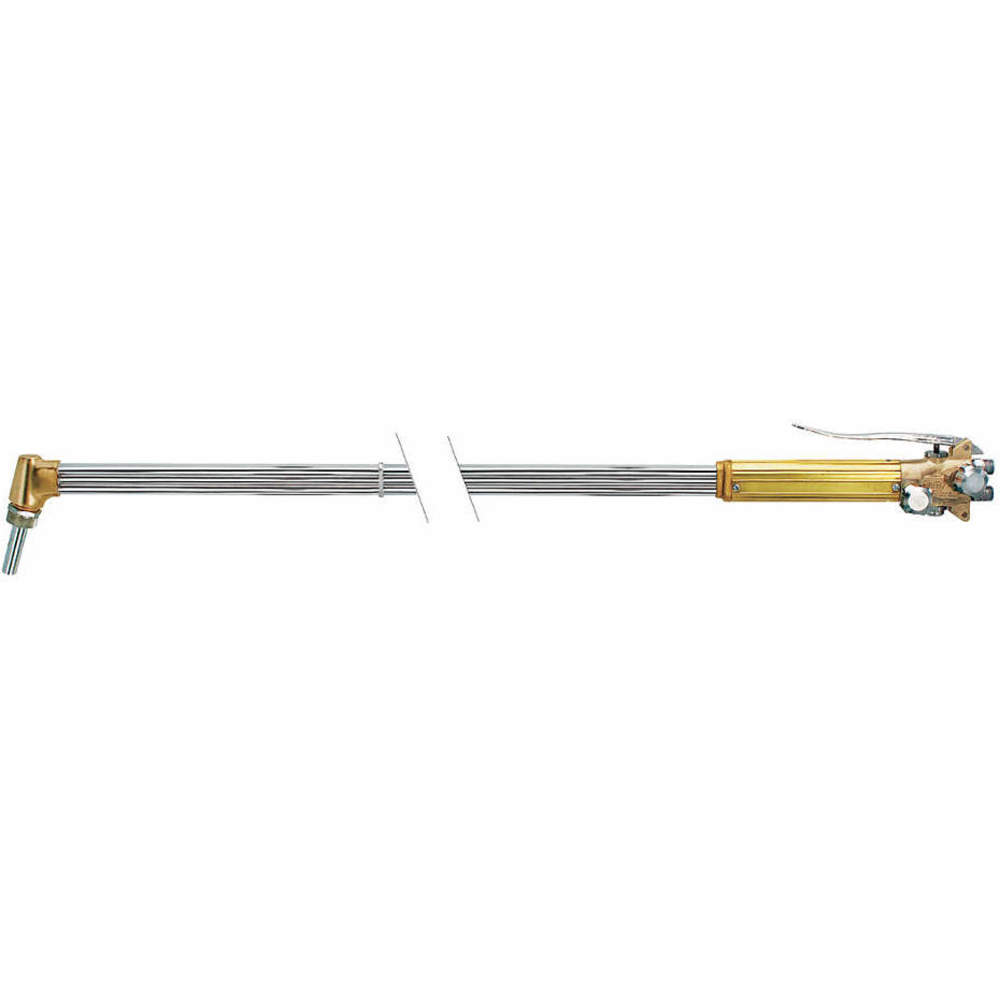
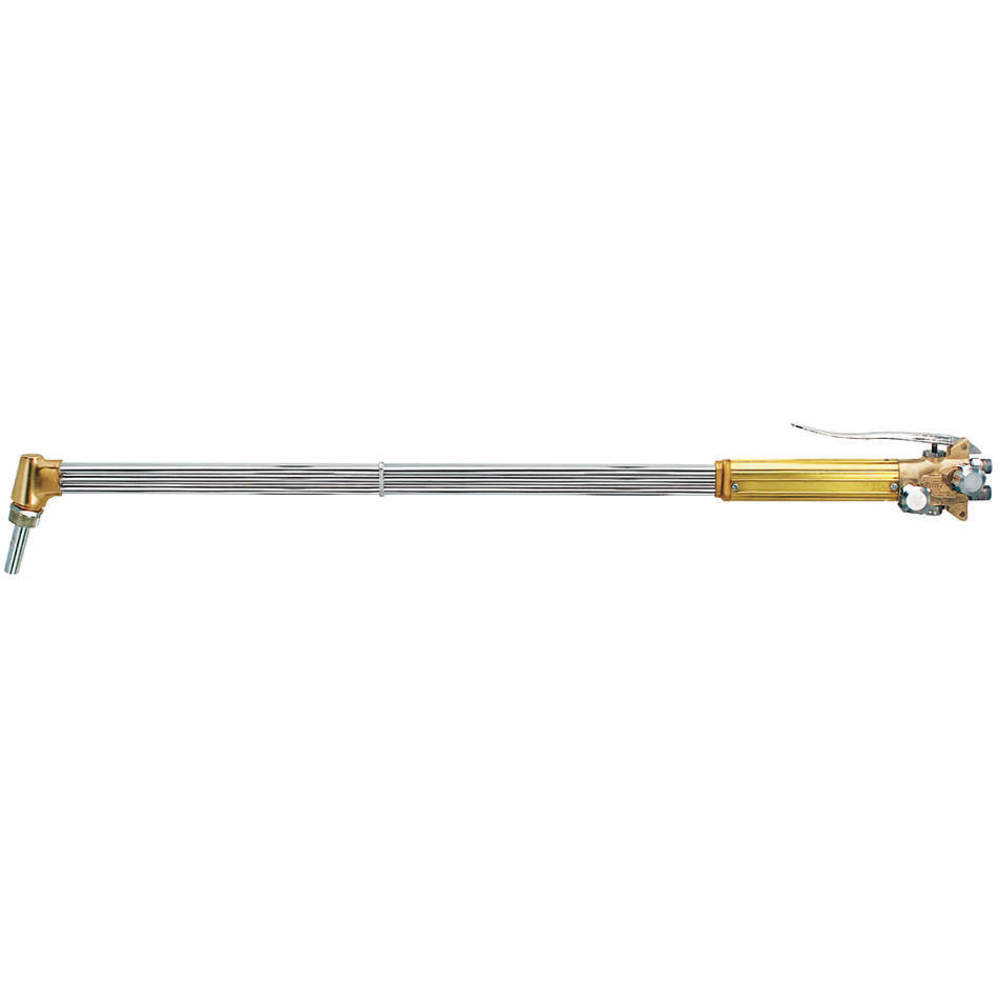
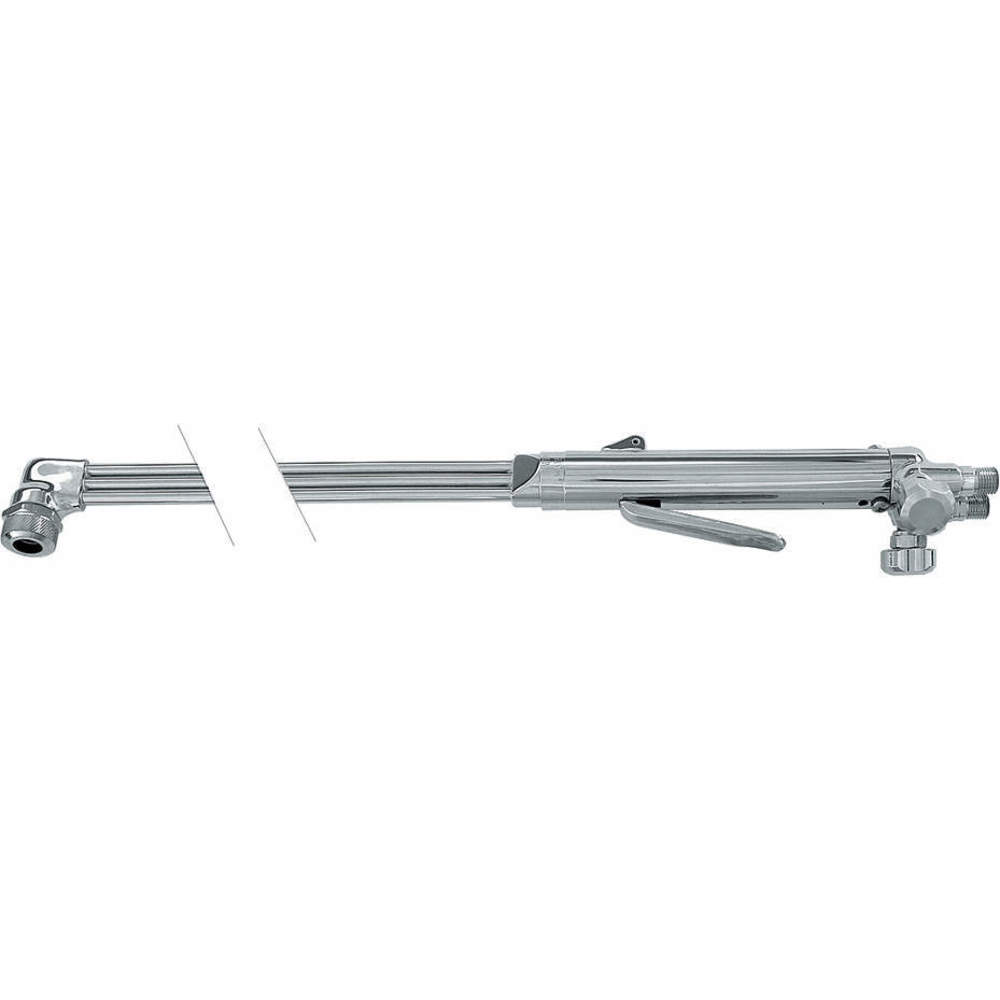
Choose from a wide range of these Miller-Smith cutting torches, available in lengths ranging from 36 to 60 inches on Raptor Supplies. We also offer Miller-Smith cutting torch kitshaving torch handles that can fit cutting attachments, heating nozzles & welding nozzles for performing diverse cutting, welding & heating operations.
Uses & Applications
Miller Smith cutting torches are used to cut workpieces made of metal or metal alloys for fabrication, construction, maintenance, demolition, salvaging and shipyard applications.
Working Mechanism
- After assembling a Miller-Smith cutting torch (fitted with cutting tip) to the hose lines and gas cylinders, start turning the fuel and oxygen cylinder valve.
- Then, control the fuel & oxygen pressure using the regulator attached to cylinders, according to the material to be cut.
- Open the fuel & then the oxygen knob on Miller-Smith cutting torch and use a striker or lighter to start a flame.
- Control the torch fuel & oxygen knobs for adjusting the flame to neutral flame conditions.
- Now, bring this set-up Miller-Smith cutting torch near the workpiece and start heating near the cutting edge.
- After a certain time, when the edge starts melting, press the cutting oxygen lever and start cutting the metal workpiece.
- After cutting the metal piece, close the fuel and the oxygen valves on both Miller-Smith cutting torch & gas cylinders. Sand the cut metal piece for smooth edges. The torch assembly must be purged of any gas mixture left before disassembly.
Features
- Miller Smith cutting torches are ideal for cutting & gouging metal workpieces using a flame generated by burning oxygen and any fuel gas.
- They have sturdy construction with slip-in tip design for attaching cutting tips securely.
- These Miller-Smith cutting torches are compatible with fuel gases like acetylene, propane, natural gas, propylene and hydrogen.
- They have 75, 90 or 180 degrees angled heads for cutting applications at diverse angles.
- These Miller-Smith cutting torches are equipped with a cutting oxygen lever for delivering high-pressure oxygen to blow away preheated molten metal & begin the cutting process.
Frequently Asked Questions
Q. What size fuel gas tank should users select to efficiently run the cutting operation?
A. Size of a gas tank for use by Miller-Smith cutting torches is determined by the fuel gas used and its consumption along with oxygen gas. Generally, acetylene cylinder capacity per hour is seven times that of tip requirement. Alternate fuel (LP) gas cylinder capacity depends on the temperature but normally have greater gas volumes than acetylene cylinders.
Q. Can natural gas delivered through utility pipes be used by Miller-Smith cutting torches?
A. Yes, natural gas delivered through utility pipes can be used by Miller-Smith cutting torches. However, this fuel gas supply is generally not pressurised enough to efficiently cut workpieces. Users may need a separate fuel gas manifold line to force the gas at enough pressure to reach the tip & generate a flame at a distance away from Miller-Smith cutting torch tips.
Q. How to select the right fuel gas type for use in Miller Smith cutting torches?
A. Selecting a fuel gas for Miller-Smith cutting torches depends on several parameters like application requirements, workpiece thickness, material properties and the cost / availability of the fuel gas. Users should test each fuel gas over a set period to compare the work efficiency and overall cost of the gases used. Miller-Smith cutting torches generally are compatible with all fuel gases and only require compatible cutting tips for operation.
Q. How to avoid overheating of Miller-Smith cutting torches?
A. Two main reasons for a Miller-Smith cutting torch & its tip to overheat are incorrect flame adjustments and insufficient gas supply to the torch. Generated flame lacks the velocity required to burn away from the cutting tip if enough gas is not supplied to Miller-Smith cutting torch. The resulting flame may recede into the torch & cause overheating. Users should use high-flow flashback arrestors with large cutting tips for less gas flow resistance & reduced overheating. They should also provide an appropriate amount of oxygen to prevent overheating as oxygen has a cooling effect on Miller-Smith cutting torch & its cutting tip.
Q. What grade of the hose is suitable for use with Miller-Smith cutting torches?
A. Users should use "R" grade hoses with Miller-Smith cutting torches when the fuel gas used is acetylene and "T" grade hoses when they are using alternate fuel (LP) gases, such as propane, propylene and natural gas.
Explore More
- CRUSHPROOF
- KEYSHAFT
- PENFLEX
- ZIP UP
- MARTINS INDUSTRIES
- Panel Indicator Lights
- Work Coveralls
- Axial Fan Accessories
- Specialty Mats
- Hazardous Location Enclosures
- REVCOR Propeller, 26 inch
- KRYTOX GPL 217 Series Extreme Pressure Grade Grease
- DWYER INSTRUMENTS 1211 Series Slack Tube Manometers
- GLOBE SCIENTIFIC Bottles, LDPE, Wide Neck, Round
- APPROVED VENDOR Perforated Sheet, Aluminium
- APPROVED VENDOR Phosphate Grade C Steel Flange Hex Top Lock Distorted Thread Locknuts
- WATTS M500 Series Reduced Pressure Detector Backflow Preventer Assemblies
- DIXON E-z-mate Industrial Couplers, Push-Lock Hose Barb

 ChatMRO