


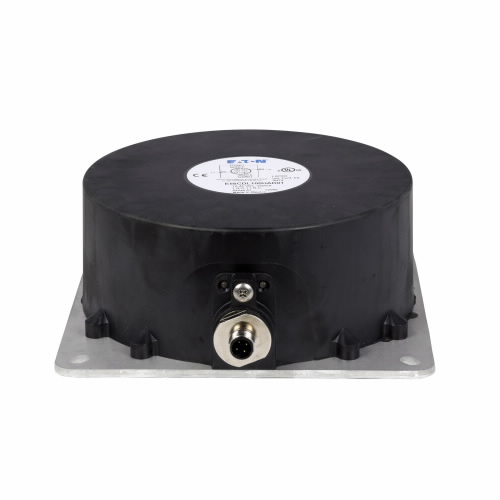
| Contact Rating | Number Of Pins | Ip Rating | Housing Material | Max. Operating Temp. | Min. Operating Temp. | Price |
|---|---|---|---|---|---|---|
| - | - | IP67 | - | 158°F | -13°F | £1186.26 |
| - | - | - | - | - | - | RFQ |
| - | - | - | - | - | - | RFQ |
| - | - | - | - | - | - | RFQ |
| - | - | - | - | - | - | RFQ |
| - | - | - | - | - | - | RFQ |
| - | - | - | - | - | - | RFQ |
| - | - | - | - | - | - | RFQ |
| - | - | - | - | - | - | RFQ |
| - | - | - | - | - | - | RFQ |
| 300 mA | - | IP67 | - | 158°F | -13°F | £702.69 |
| 300 mA | 4 | IP67 | - | 158°F | -13°F | £727.54 |
| 300 mA | 4 | IP67 | - | 158°F | -13°F | £670.27 |
| 300 mA | 4 | IP67 | - | 158°F | -13°F | RFQ |
| 300 mA | 4 | IP67 | Polyphenylene Sulfide | 158°F | -13°F | £2673.84 |
| 300 mA | 4 | IP67 | - | 158°F | -13°F | £775 |
| 300 mA at 42V DC | - | IP67 | - | 158°F | -13°F | RFQ |
| 300 mA at 42V DC | - | - | - | 158°F | -13°F | £521.57 |
| 300 mA at 42V DC | - | IP67 | - | 158°F | -13°F | RFQ |
| 300 mA at 42V DC | - | IP67 | - | 158°F | -13°F | RFQ |
| 300 mA at 42V DC | - | IP67 | - | 158°F | -13°F | RFQ |
| 300 mA at 42V DC | - | IP67 | - | 158°F | -13°F | £877.52 |
| 300 mA at 42V DC | - | IP67 | - | 158°F | -13°F | RFQ |
| 300 mA at 42V DC | - | IP67 | - | 158°F | -13°F | £716.24 |
| 300 mA at 42V DC | - | IP67 | - | 158°F | -13°F | £1751.37 |
| 400 mA at 250V AC | 3 | IP67 | Polyphenylene Sulfide | 158°F | -13°F | £2143.73 |
| 400 mA at 250V AC | 3 | IP67 | Polyphenylene Sulfide | 158°F | -13°F | £2859.16 |
| 400 mA at 250V AC | - | IP67 | - | 158°F | -13°F | £1287.07 |
| 400 mA at 250V AC | - | IP67 | - | 158°F | -13°F | £1145.26 |
| 400 mA at 250V AC | - | IP67 | - | 158°F | -13°F | £1061.51 |

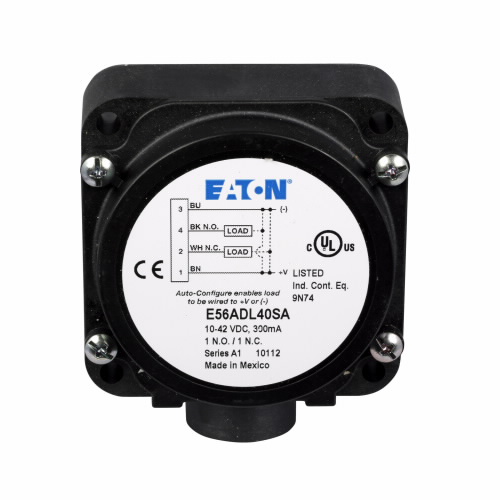
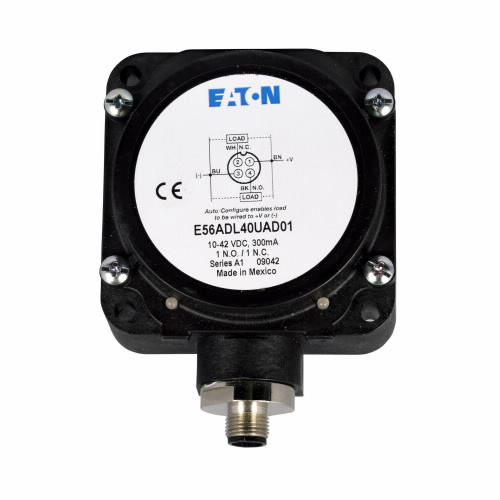
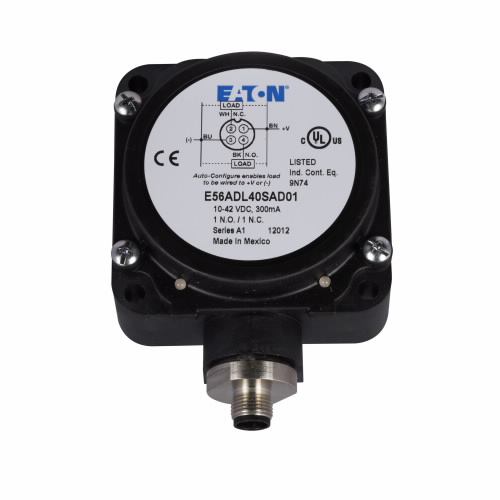
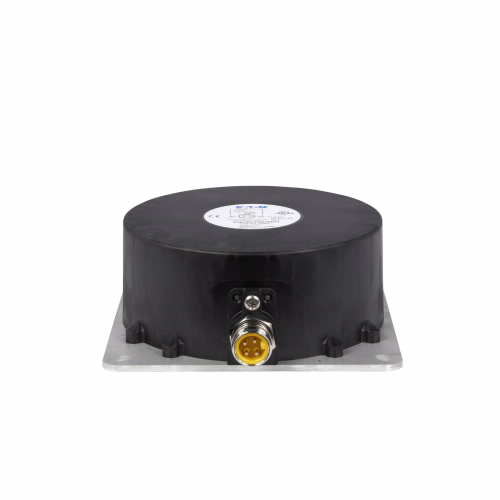
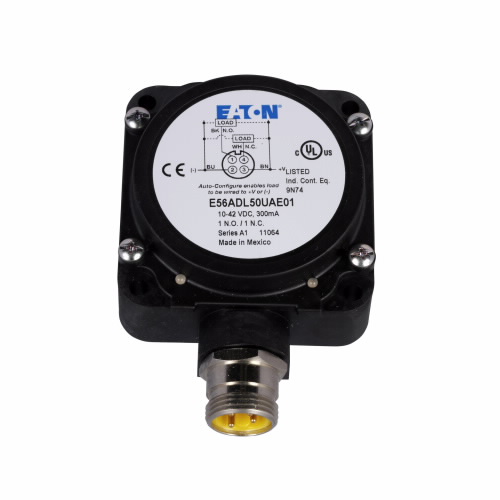
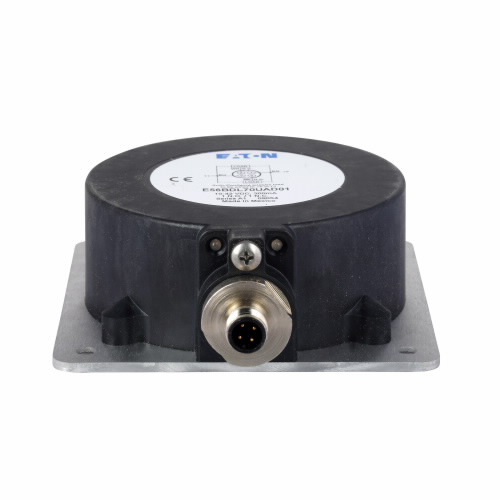
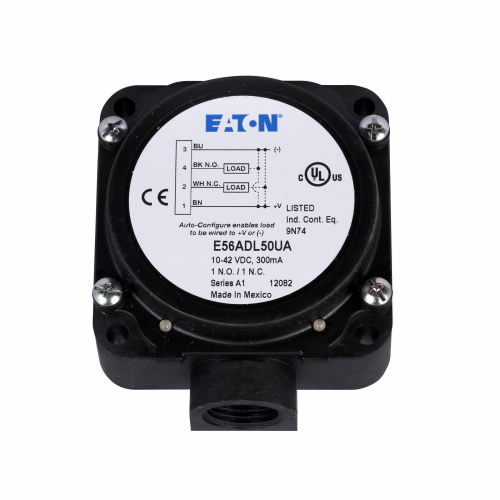
Features
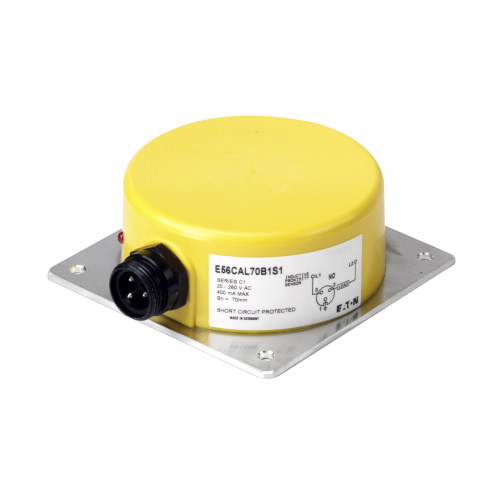
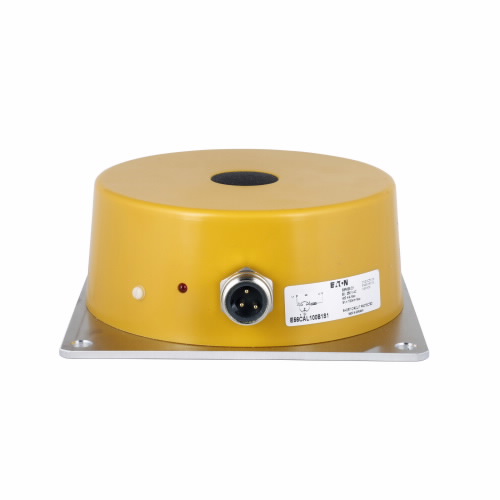
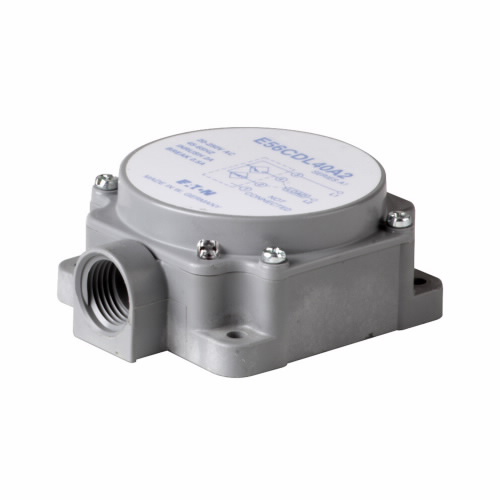
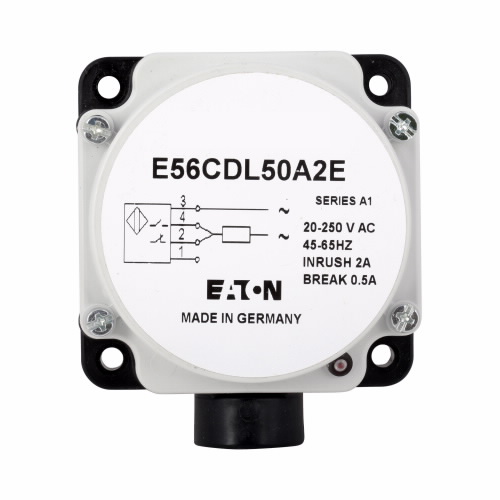
- Eaton E56 Pancake Series inductive proximity sensors have NEMA-rated enclosure for ingressing contamination and dust environment.
- These proximity sensors have a maximum inductive sensing range of 100 mm.
- They have power and output LEDs for effortless troubleshooting, ensuring an easy user interface.
- These proximity sensors, two-wire AC models, allow the output contacts to function as either normally open (NO) or normally closed (NC) for safe and efficient operations.
Frequently Asked Questions
Q. What is the difference between NPN and PNP outputs?
A. NPN and PNP are two configurations of transistors commonly employed in electronic devices. In the realm of inductive proximity sensors, the terms NPN and PNP are used to indicate the nature of the output signal generated by the sensor. NPN sensors have their output linked to the negative (-) terminal of the power supply, while PNP sensors have their output connected to the positive (+) side of the power supply.
Q. Are Eaton E56 Pancake Series inductive proximity sensors customisable?
A. Yes, Eaton provides tailored solutions for the E56 Pancake Series inductive proximity sensors to address particular application needs. These personalised options may involve varied sensing ranges, output configurations, and housing materials.
Q. What is the operating temperature range of these E56 Pancake Series inductive proximity sensors?
A. -25 to 70 degrees C.
Explore More
- DETECTAPRO
- KEYSHAFT
- RANCO
- WESTAFLEX
- GREY PNEUMATIC
- Bin Rail Systems
- Step Drill Bit Sets
- Electric Actuated Ball Valves
- Tubular Machine Tool Lights
- Load Leveling Slings
- CONDOR Welding Gloves, Wing Thumb, Standard, Cowhide, Gray
- CONDOR High-Visibility Vest, ANSI Class 2, Mesh Polyester, Zipper, Lime
- KEO Long Series Combined Drills And Countersinks, 8 Inches
- ANVIL 026G Series Light Duty Two-Hole Pipe Straps
- WESTWARD Booster Cable
- LITTLE GIANT PUMPS Convertible Pro RM Series Jet Pumps
- SPEARS VALVES PVC True Union 2000 Industrial Vented/Bleach Ball Valves, Socket Ends, FKM
- WATTS RK-775/775DCDA Series Backflow Preventer Repair Kit
- WINTERS INSTRUMENTS Tnr Food & Beverage Bi-Metal Thermometers

 ChatMRO