


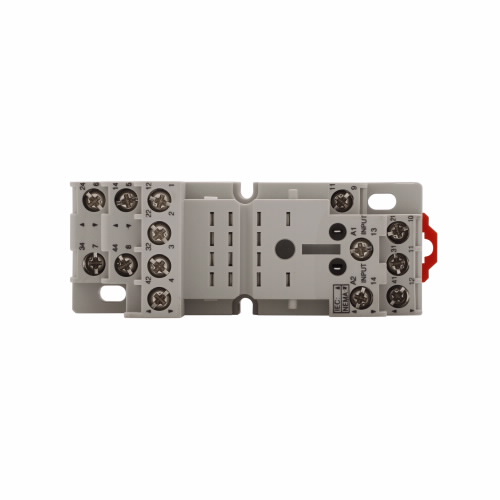
| Coil Voltage | Mounting | Type | Contact Material | Contact Rating | Price |
|---|---|---|---|---|---|
| - | Din Rail, Screw | General-purpose Relay | - | - | £42.46 |
| - | Din Rail, Screw | - | - | - | £33.35 |
| - | - | Standard Relay | - | - | £28.09 |
| 12V DC | - | General-purpose Relay | Silver Alloy | 10A | £33.84 |
| 24V DC | - | General-purpose Relay | Silver Gold Flashed | 5A | £151.13 |
| 24V AC | - | Standard Relay | - | - | £96.35 |
| 110V DC | Flange | Full-featured Relay | - | - | £35.68 |
| 120V DC | - | General-purpose Relay | Silver Alloy | 10A | £33.84 |
| 120V | - | General-purpose Relay | Silver Gold Flashed | 5A | £138.02 |
| 240V AC | Flange | Full-featured Relay | - | - | £36.2 |
| 110/125V DC | - | General-purpose Relay | Silver Alloy | 10A | £45.76 |
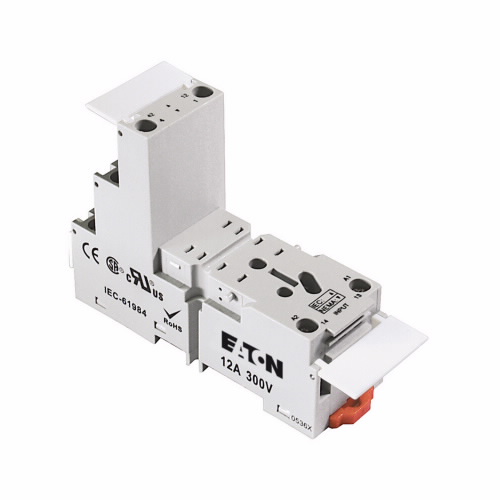
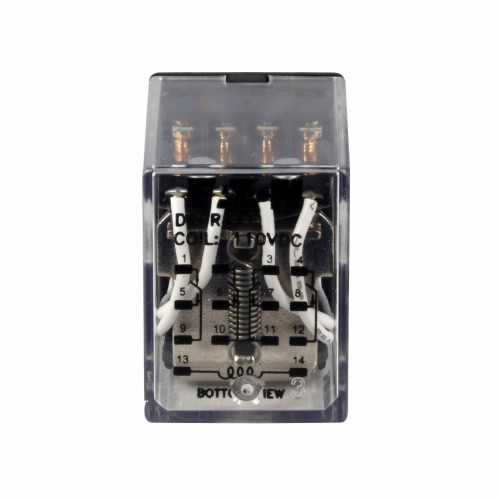
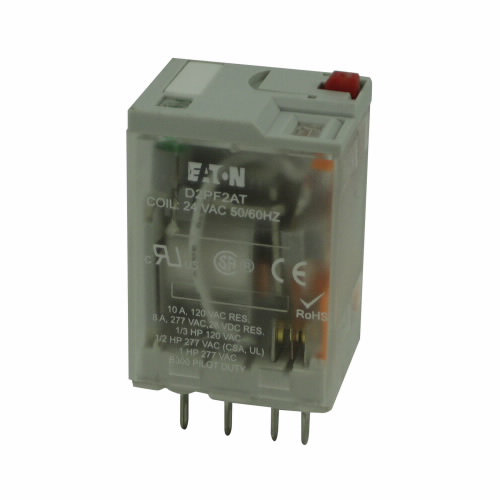
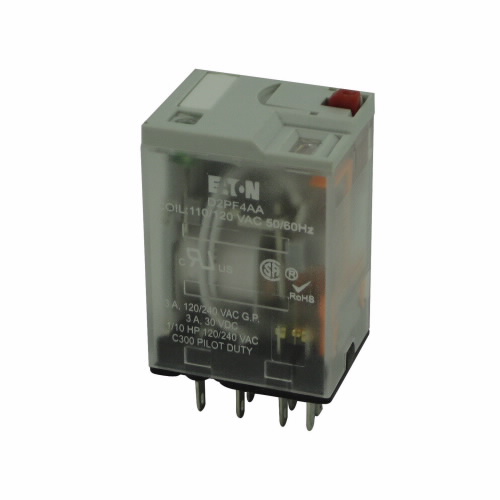
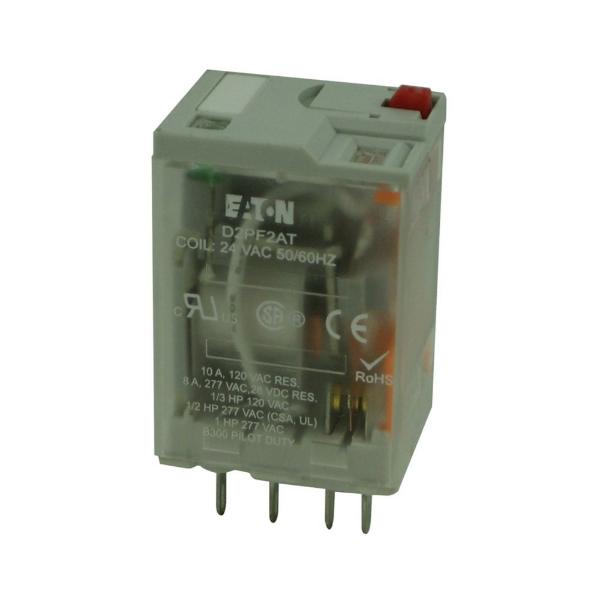
Working Mechanism
- When the electrical current flows through the relay's coil, it creates a magnetic field that attracts the relay's armature.
- As the armature moves, it also moves the contacts, forcing them to change their position.
- Depending on the relay's design, it can cause the contacts to switch from the NO position to the NC position or vice versa.
- When the current to the coil is removed, a spring mechanism acts upon the armature, causing it to return the armature to its original position which in turn brings the contacts to the normal position.
Frequently Asked Questions
Q. What is the advantage of using silver contacts?
A. Silver contacts are typically used in relays, switches and other electrical devices to provide a high degree of conductivity and low contact resistance. They are highly resistant to corrosion and oxidation, making them suitable for harsh environments. They are also less prone to wear & tear than other contact materials, which helps to increase the lifespan of the device.
Q. What is the difference between the plug-in and flange mounting?
A. Plug-in mounting allows faster installation, as the device simply needs to be inserted into the socket or receptacle. Flange mounting, on the other hand, uses bolts / screws to install the device, providing better security.
Q. How to replace the coil in general-purpose relays?
A.
- Disconnect power to the control panel where the relay is located.
- Remove the relay from the device. This may involve removing a cover or simply unplugging the relay from the socket.
- Once the relay is removed, locate the coil. It is normally located at the bottom of the relay and is cylindrical or rectangular in shape.
- Carefully disconnect the wires from the relay. It can be done by releasing any clips that hold them securely or simply pulling them out.
- Replace the old coil with a new one of the same specifications.
- Reinstall the coil in the relay by carefully pushing it into place or re-engaging the clips or locks.
- Reconnect the wires to the coil. Ensure the connection is tight and secure or it might result in electric shocks.
- Reinstall the relay into the control panel. Make sure it is aligned and properly fastened.
- Turn the power on and test the relay.
Explore More
- BEECH DESIGN & MANUFACTURING
- KEYSHAFT
- ESAB
- CHAMPION AEROSPACE
- MICHIGAN BRUSH
- Plier Sets
- Phasing and Motor Rotation Meters
- Flange
- Hinged Safety Interlock Switches
- Soil Auger Accessories
- OETIKER 159 Series Adjustable Clamps, Stainless Steel Band
- ANSELL 56-903 Alphatec Pvc Coat Aprons
- CONDOR Cowhide Leather Palomino Driver Gloves
- JOHN GUEST Union Tees, Polypropylene White
- MAYHEW TOOLS Pilot Punches, Metric
- KNIPEX Insulated Screwdriver
- COOPER B-LINE B825 Series Plastic End Caps
- EATON P Series Coils
- KEY-BAK Assure-A-Key
- BALDOR / DODGE Para Flex Ring Assemblies

 ChatMRO