


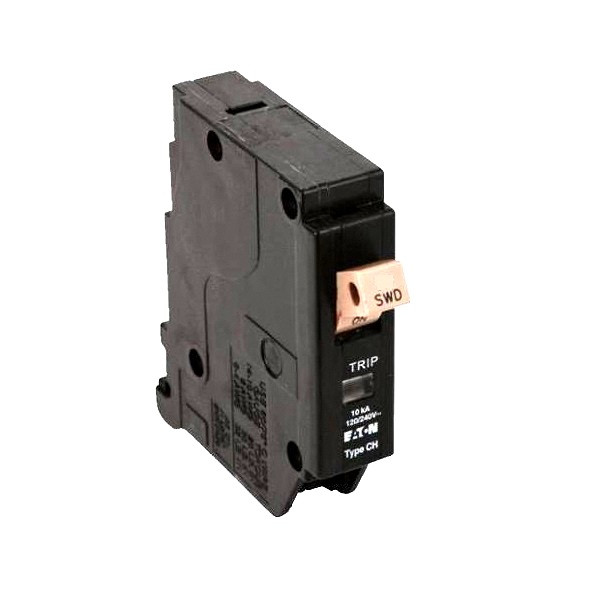
| Number Of Poles | Amps | Voltage | Frame Type | Voltage Type | Price |
|---|---|---|---|---|---|
| 1 | 15A | 120V AC | CH | AC | RFQ |
| 1 | 15A | 120V AC | CH | AC | RFQ |
| 1 | 15A | 120V AC | CH | AC | RFQ |
| 1 | 15A | 120V AC | CH | AC | RFQ |
| 1 | 20A | 120V AC | CH | AC | RFQ |
| 1 | 20A | 120V AC | CH | AC | RFQ |
| 1 | 20A | 120V AC | CH | AC | RFQ |
| 1 | 20A | 120V AC | CH | AC | RFQ |
| 1 | 20A | 120V AC | CH | AC | RFQ |
| 1 | 20A | 120V AC | CH | AC | RFQ |
| 1 | 20A | 120V AC | CH | AC | RFQ |
| 1 | 20A | 120V AC | CH | AC | RFQ |
| 1 | 25A | 120V AC | CH | AC | RFQ |
| 1 | 30A | 120V AC | CH | AC | RFQ |
| 1 | 30A | 120V AC | CH | AC | RFQ |
| 1 | 30A | 120V AC | CH | AC | RFQ |
| 1 | 30A | 120V AC | CH | AC | RFQ |
| 1 | 35A | 120V AC | CH | AC | RFQ |
| 1 | 45A | 120V AC | CH | AC | RFQ |
| 2 | 15A | 240V | CH | AC | RFQ |
| 2 | 20A | 240V | CH | AC | RFQ |
| 2 | 20A | 240V | CH | AC | RFQ |
| 2 | 20A | 240V | CH | AC | RFQ |
| 2 | 25A | 240V | CH | AC | RFQ |
| 2 | 30A | 240V | CH | AC | RFQ |
| 2 | 30A | 240V | CH | AC | RFQ |
| 2 | 30A | 240V | CH | AC | RFQ |
| 2 | 35A | 240V | CH | AC | RFQ |
| 2 | 40A | 240V | CH | AC | RFQ |
| 2 | 45A | 240V | CH | AC | RFQ |
| 2 | 50A | 240V | CH | AC | RFQ |
| 2 | 60A | 240V | CH | - | RFQ |
| 3 | 100A | 240V | CH | AC | RFQ |
| 3 | 30A | 240V | CH | AC | RFQ |
| 3 | 90A | 240V | CH | AC | RFQ |
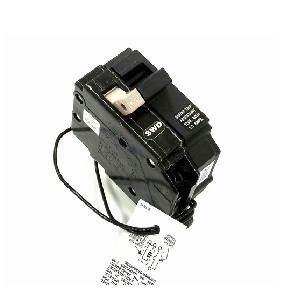
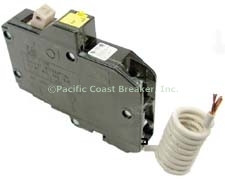
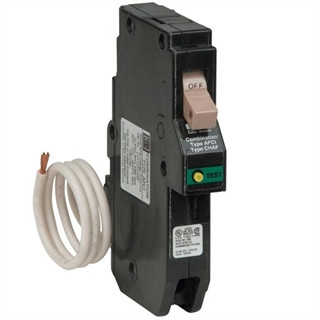
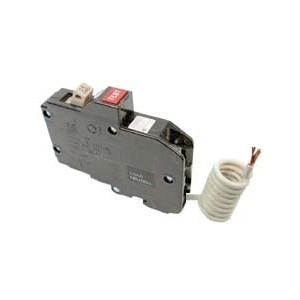
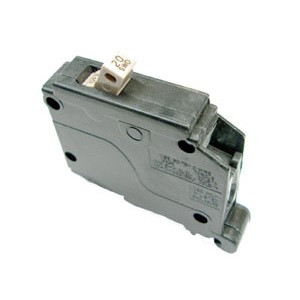
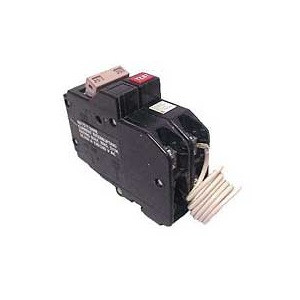
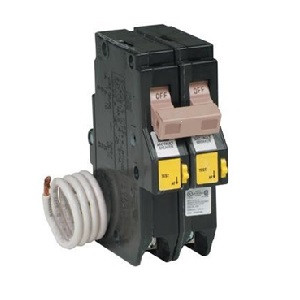
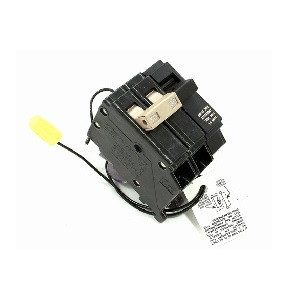
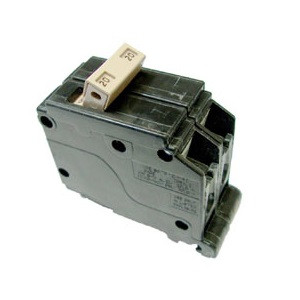
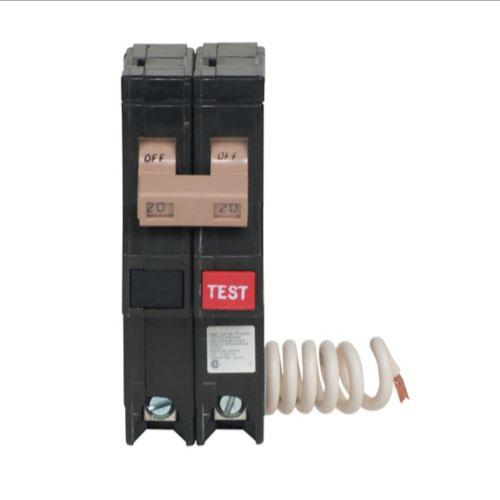
Working Mechanism
- The circuit breaker is connected to an electrical circuit and current flows through the circuit.
- As the current increases, it passes through a bimetallic strip or an electromagnet in the circuit breaker.
- When the current exceeds a certain level, the bimetallic strip or electromagnet is triggered, releasing a spring-loaded mechanism that forces a contact arm to open, interrupting the flow of electricity in the circuit.
- Once the circuit is open, the bimetallic strip or electromagnet cools down, and the contact arm is reset.
- The circuit breaker can be reset manually by moving the contact arm back to its original position.
Features
- They have 1 / 2 / 3 pole configuration for connecting multiple connections.
- These circuit breakers have an operating voltage of 120V / 240V.
- They are available in amperage ratings ranging from 15 to 100A.
- These circuit breakers further feature interrupt ratings up to 10kAIC.
- They have screw terminals for secure connections of the conductor.
Frequently Asked Questions
Q. What is the difference between MCCBs and MCBs?
A.
- MCBs protect items from current overloads, while MCCBs protect equipment from fault currents & excess temperature rise.
- The tripping circuit of MCBs is fixed, while MCCBs have a movable tripping circuit.
- MCBs have comparatively low interrupting ratings than MCCBs.
Q. How to install a circuit breaker?
A.
- Remove the panel cover. Use a screwdriver to unscrew all four edges of the panel cover while holding it tight to prevent it from slipping off.
- Connect the neutral and ground wires.
- Place the breaker inside.
- Screw the panel cover back.
Q. What are the reasons for frequent tripping of the circuit breaker?
A. A circuit overload, short-circuiting, ground fault surges, defective circuit breaker or an arc fault can cause tripping of the circuit breaker.
Explore More
- KEYSHAFT
- VON DUPRIN
- WELDBEND CORP.
- LOCKJAW
- GARLAND MFG
- Air Velocity Transmitters
- Class J Fuses
- Parking Curb and Speed Bump Accessories
- Combined Lamp Modules and Contact Blocks
- Mist Cooling Equipment
- LOC-LINE Fixed Mount
- DESTACO 247, 267 Series Vertical Hold Down Clamps
- ANVIL 010CTG Series Light Duty Copper Ring Hangers
- ANVIL AS300S Series Channel With Long Slots
- WESCO Steel Frame Pedalifts - Two Wheel Hydraulic
- SPEARS VALVES EverTUFF TURF Swing Joint 90 Deg. Elbows Outlet, FBT x Socket
- MICRO 100 Indexable Boring Bars, Facing, Coolant Through, Right Hand
- DEWALT Cordless Reciprocating Saw Kits

 ChatMRO